


Slayer Legend : Idle RPG
4.63.54K Reviews
App Specs
- Version
- 600.9.6
- Updated On
- License
- Free
- Downloads
- 5,000,000+
- Developer
- GEAR2
- Categories
- Adventure
- Platform
- Android, iOS
Screenshots

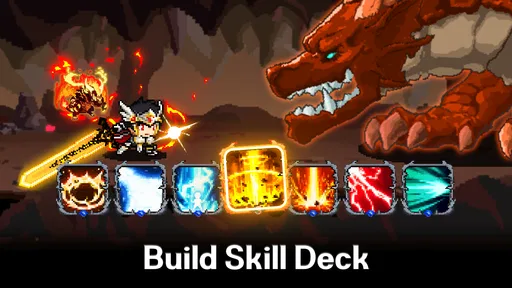
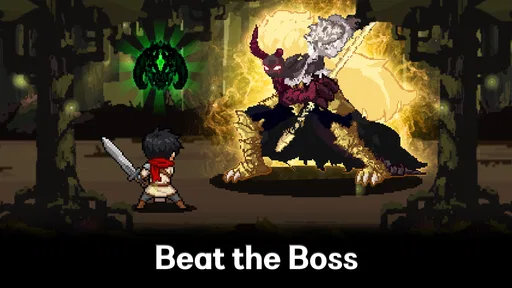



 Analysis by AppCompare
When I first tried Slayer Legend: Idle RPG, I was curious about how much there would be to do beyond letting battles run. The answer is: enough to make short check-ins satisfying, though the game is at its best when I treat those visits as a small routine rather than expecting every minute to demand my attention. It’s a fantasy adventure game from GEAR2, and its mix of automatic fighting and hands-on character choices gives it a clear place between a hands-off idle game and a more demanding action RPG.
A practical rhythm for everyday play
My most useful approach is to open the game with a purpose: check how the current fight is going, collect or review what progress has produced, and decide whether my character needs an upgrade before I leave it running again. That simple loop makes brief visits feel meaningful. It also stops the game from turning into a string of taps with no clear reason behind them.
For example, if I have a few minutes while waiting for a bus, I can check my progress and make a focused improvement instead of trying to squeeze in a long session. Later, when I have more time, I can pay closer attention to skills and equipment and see whether the changes help against tougher enemies. That split suits an idle RPG better than pretending it needs constant attention.
The game is free to start, with in-app purchases listed from $0.49 to $69.99 per item. I’d treat purchases as optional rather than assuming they are necessary for the basic appeal: the central draw is watching a slayer progress while I’m away, then making decisions when I return. If spending is a concern, it’s worth setting a personal limit before playing, since a broad range of optional items can make impulse buying easier.
Offline play is a useful part of the appeal for anyone who wants an RPG that can fit around commuting, chores, or a short break. I would still separate “the game can progress while I’m away” from “every detail advances exactly as it would during active play.” When a particular reward or fight matters to me, I check the game directly rather than planning around an assumption about unattended progress.
Settings and choices that deserve attention
I’d begin by checking the game’s available settings and making the display and sound comfortable for the places I actually play. Keeping audio at a level that works in public, or muting it when I’m listening to something else, is a small adjustment that makes repeat visits easier. I also avoid changing several character choices at once: when I improve one area and then return to the same challenge, it’s easier to understand what made the difference.
Skills and equipment are where the idle loop gains its decision-making. Rather than spending every resource immediately, I find it more useful to pause at a difficult stretch and consider whether the current setup needs more impact or better staying power. That doesn’t require a perfect build. It just gives each upgrade a reason, and helps avoid the feeling that character growth is a pile of disconnected buttons.
Worth Reading Before You Choose

EA SPORTS FC Mobile 26 Is a Bigger Football Game, but It Takes Time

Flipboard Shows What News Apps Must Do Beyond the Feed

Switching to Android Auto Means Rethinking Your Driving Routine

Google Calendar Makes a Crowded Week Easier to Manage

Ludo King Makes the Most of the Minutes Between Plans

Baby Panda World Brings Quick Play to Modern Phones, but Its Game Library Feels Busy
There is a trade-off here: the freedom to shape a character is appealing, but it can also leave a new player wondering which choice is best. I wouldn’t get stuck trying to solve that from the beginning. Make a reasonable choice, observe what happens, and adjust when the game starts asking more of the build. The game is more approachable when experimentation feels like part of the routine, not a test with one hidden correct answer.
How I make short sessions count
A helpful habit is to tie a quick check-in to something I already do, such as taking a break between tasks. I look for a clear next action—an upgrade, a skill decision, or simply letting the current battle continue—then close the game once I’ve made it. That keeps the idle format convenient instead of making me feel obliged to monitor it.
When I have longer to play, I use the extra time to compare how my character performs after a change rather than making a string of upgrades without paying attention. This is a small but useful distinction: idle progress supplies continuity, while active attention helps me understand the choices shaping it. If a change doesn’t seem to help, I can reconsider the setup instead of assuming that more upgrades automatically mean a better experience.
For a first-time player, I’d recommend resisting the urge to rush through every menu at once. Learn the basic fight-and-upgrade rhythm first, then explore additional choices as they become relevant. That approach makes the game easier to read and leaves room to enjoy its colorful presentation rather than turning the opening into homework.
Where the idle format has limits
This is not the right pick if I want a game that depends on precise movement, moment-to-moment combat, or a tightly directed story. Its appeal comes from progression and character tuning, not from mastering a demanding action sequence. Someone who prefers a traditional adventure with exploration as the main activity may be happier with a different kind of RPG.
It also won’t suit everyone who likes idle games. If I want a completely passive experience with no decisions to revisit, the skill and equipment choices may feel like chores. On the other hand, a player who wants constant new tactical demands may find that automatic battles leave too much of the action in the background. The sweet spot is someone who enjoys checking in, making a few choices, and letting progress continue between those visits.
Compared with a conventional action RPG, Slayer Legend asks less of my reflexes and more of my patience with gradual growth. Compared with simpler idle games, it gives me more character decisions to think about. That makes it a useful middle ground, but it also means I wouldn’t recommend it solely because it is free: the relevant question is whether repeated, incremental progress sounds satisfying to you.
What to expect before installing
The game is rated Everyone 10+, and it has reached over five million installs. Its average rating is 4.7 from around 141,000 ratings, which suggests plenty of players have found the formula appealing, though those figures can’t tell me whether its pace matches my taste. It was released on August 26, 2022, and version 600.6.8 requires Android 7.0 or later.
One practical question is whether I need to stay online to enjoy it. The game’s appeal includes offline play, so it can fit situations where I’m not actively connected; for anything that depends on a current event or community activity, I’d check in when I can. Another is whether it works for a beginner: the straightforward tutorial and familiar upgrade loop make it approachable, but I’d still take time to learn what each choice does instead of tapping through everything.
Players interested in guilds and events may find a social reason to return, while those who prefer a solo routine can focus on their own character progression. I see that as a welcome range of ways to engage, not a requirement to make every session social. If I’m choosing it for community play specifically, I’d first consider whether guild interaction is the part of the experience I want most; if I’m choosing it for a quick solo check-in, the idle loop is the stronger reason.
Getting Started with Slayer Legend
As soon as I downloaded Slayer Legend: Idle RPG, the first thing that caught my eye was the vibrant and engaging graphics. The game doesn’t waste any time getting you into the action. You’re immediately introduced to your character, a brave slayer destined to battle relentless waves of monsters. It’s like stepping into a Saturday morning cartoon, and I was instantly hooked.
The interface is pretty user-friendly, so even if you’re not a seasoned gamer, you’ll find your way around without much trouble. The tutorial is straightforward and gives you just enough info to get started without overwhelming you with details. I appreciated how the developers struck a balance here, making it accessible for newbies and veterans alike.
Gameplay and Features
Now, onto the gameplay itself. The idle mechanics are what truly stand out. You can set your character to battle monsters while you’re away, earning loot and leveling up even when you’re binge-watching your favorite series. It’s perfect for those of us who love multitasking!
While the game plays itself to some extent, there’s plenty of active involvement required too. You’ll need to strategically upgrade skills and equipment to tackle tougher enemies. This mix of idle and active play keeps it interesting and ensures you’re not just passively watching numbers go up.
There’s a plethora of skills to choose from, each with its own unique effects. The skill tree is vast, allowing for a high degree of customization. This brings a level of strategy that I didn’t quite expect from an idle game. You can tailor your character’s abilities to suit your play style, whether you’re a fan of powerful attacks or prefer a more defensive approach.
Graphics and Sound
Visually, the game is a treat. The art style is colorful and detailed, with each monster and environment brought to life in a way that’s both charming and slightly nostalgic. It reminded me of some classic RPGs from my childhood, but with a modern twist.
The soundtrack and sound effects enhance the gameplay without being intrusive. They add an extra layer of immersion that keeps you engaged, especially during those intense battle sequences. I often found myself tapping my foot to the background music without even realizing it!
Community and Social Features
One of the game’s strengths is its community aspect. There are plenty of opportunities to join guilds and participate in events. These social elements add a layer of depth and camaraderie you don’t always find in idle games. Sharing strategies and achievements with fellow players makes the experience more rewarding.
I also appreciated the developers’ active involvement with the community. Regular updates and events keep the game fresh and exciting. It’s clear they’re listening to player feedback and continuously working to improve the experience.
Final Thoughts
So, is Slayer Legend: Idle RPG worth your time? Absolutely! Whether you’re a hardcore RPG fan or someone looking for a casual game to fill those spare moments, this game has something for everyone. The balance between idle and active gameplay, coupled with its charming graphics and engaging community, makes it a standout in the idle RPG genre.
Plus, who doesn’t love the idea of being a legendary slayer saving the day while you’re off doing your real-world tasks? It’s a win-win in my book. So go ahead, give it a try, and prepare to be hooked!
Pros
- Engaging idle gameplay mechanics.
- Visually appealing graphics.
- Frequent updates and events.
- Customizable character builds.
- User-friendly interface.
Cons
- Requires constant internet connection.
- In-app purchases can be pricey.
- Limited storyline depth.
- Repetitive missions over time.
- Ads can be intrusive.
FAQs for Slayer Legend : Idle RPG
What is Slayer Legend: Idle RPG about?
Slayer Legend: Idle RPG is a fantasy-themed role-playing game where players take on the role of powerful slayers battling against hordes of monsters. The game features idle mechanics, allowing your characters to progress and gather resources even when you're not actively playing. Its engaging storyline and strategic gameplay offer a unique RPG experience.
Is Slayer Legend: Idle RPG free to play?
Yes, Slayer Legend: Idle RPG is free to download and play. However, it includes in-app purchases that allow players to buy various items, boosts, and cosmetic upgrades. These purchases can enhance the gameplay experience but are not necessary to fully enjoy the game.
What are the main features of Slayer Legend: Idle RPG?
The game offers a variety of features, including an extensive character customization system, strategic combat mechanics, and idle progression. Players can enjoy daily quests, special events, and multiplayer modes. The game also boasts impressive graphics and a captivating soundtrack that enhances the immersive experience.
Can I play Slayer Legend: Idle RPG offline?
Yes, Slayer Legend: Idle RPG offers offline capabilities, allowing players to continue their adventure without an internet connection. However, certain features, such as multiplayer modes and events, require an online connection to function properly. Progress made offline syncs once you reconnect.
What devices support Slayer Legend: Idle RPG?
Slayer Legend: Idle RPG is available on both Android and iOS platforms. It requires Android version 5.0 and up or iOS version 10.0 or later. The game is optimized for smartphones and tablets, ensuring a smooth experience across a range of devices.


